

Say “No” to the Six Stories – of Domination, Revolution, Isolation, Purification, Victimization and Accumulation. “Yes” to the Seventh Story of openheartedness.
Read Cory and the Seventh Story: A Children’s Book for Adults – Penguin Random House
Local Assets
The Six-Story Reality – there is an increasing wealth disparity between rich and poor and rural and urban dwellers in the Pacific Northwest and throughout the world. This threatens the stability of communities and creates pressures to eat into natural capital to meet pressing short-term needs.
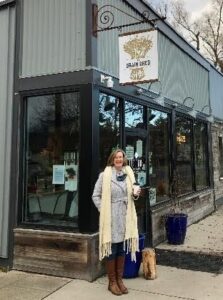
Figure 1: The Grain Shed in Spokane, a worker owned co-op bakery/brewery using locally grown regenerative grains
Analysis – In the United States, it has been estimated that 60% of wealth is concentrated in
the hands of 1% of the population. This means that the vast majority of citizens have very little ability to direct and control decisions about the economic life of their communities. If the benefits of an economic system are not widely distributed, wealth disparities will only continue to grow more extreme. In order to address this structural problem, reliable prosperity greatly expands the number of people with an ownership stake in assets of all kinds, including homes, businesses, land, and natural resources. This is the foundation of an inclusive prosperity that gradually mitigates wealth inequities while contributing to local economies.
When businesses — whether electrical utility or farm, bank or grocery store — are largely owned by employees, customers, local residents, and others with a direct relationship, they become increasingly accountable to the needs of the various communities they serve. Furthermore, when ownership is spread broadly within a region, benefits will also be shared broadly, helping to generate enduring social equity. The relationship between broad patterns of ownership and social equity is equally direct for other assets like homes, land, and resources.
The most direct way for a large business to give an ownership stake to its employees is through an employee stock-option plan (ESOP). As recent events demonstrate, such plans need to be relatively liquid, and should be part of a diverse retirement portfolio.
Smaller businesses may be structured as worker-owned co-operatives or collectives, in which employees maintain various degrees of shared ownership and management. In the case of consumer co-operatives like Puget Consumer’s Co-Op or public utility districts like Eugene Water and Electricity Board, ownership and its benefits are widely shared by customers while management is left to a professional team.
Community-development land trusts and co-housing arrangements allow land to be held in common by current residents, often with protective covenants, while allowing individuals to reap the economic benefits of any building improvements they make.
Over time, individuals should acquire an ownership stake in the businesses that they work for and buy from, the homes they make payments on, and the land and resources they restore and steward. Such ownership stakes can be structured in a remarkable variety of ways, each helping to more fairly distribute economic benefits and decision-making responsibility. Building local assets is fundamental to economic democracy and civic society.
Community-based financial institutions are local lenders. Their mission is to invest in the community in which they are owned and operated, thereby building local assets. Personal and business loans to low-income people ensure that wealth is shared more broadly. Community development banks, credit unions, loan funds, venture capital funds, and locally-owned banks all play a critical role in rooting capital in place, rather than allowing it to be controlled externally.
Models for community lending have emerged in the last thirty years. Financial institutions have begun to serve as bridges between socially-minded investors and community-based initiatives.
The Seventh Story Choice – Provide financial and legal forms of ownership that equitably distribute both the benefits and responsibilities of ownership. Seek forms of ownership accountable to local communities. Create financial institutions that can make a wide range of loans to those of all income-levels, help to build resilient local economies, and reinvest in the local community.
Say “No” to the Six Stories – of Domination, Revolution, Isolation, Purification, Victimization and Accumulation. “Yes” to the Seventh Story of openheartedness.
Read Cory and the Seventh Story: A Children’s Book for Adults – Penguin Random House
7TH STORY CASE STUDIES
ORGANIZATIONS WHOSE WORK INCORPORATE THIS PATTERN
- Treatment Creative
 – Treatment is home to a vibrant bunch of creatives that of Spokane – for Spokane. We enjoy the intricacies of problem-solving with our clients and do so in a strategic yet approachable manner.
We believe in building with our clients, crafting right-sized solutions that are tailored to the unique needs of each of them. Our team is creative at heart and we love what we do, but get us talking about the local food and bev scene and we’ll never stop.
We are:- A worker-owned co-op
- Majority Women-led
- Community Driven
- Planet Positive/Nature Loving
- RANGE Media
 – is a media organization for people who love the Inland Northwest and want to make it better.
We believe our communities are stronger when our newsrooms are run by truth’s fiercest advocates: the journalists themselves. Since 2020, RANGE has built a newsroom that empowers working people with civic education and people-centered investigative reporting. We are emphatically anti-racist, class-focused and passionate about bridging divides to build solidarity among all people but especially working people. As a worker-owned cooperative dedicated to democratic management, RANGE exists to serve our region, to resurrect the idea of thriving careers in local journalism and to ensure rank-and-file journalists have the power to direct our growth in ways that best support the beats they cover and the community we all love.
- The Grain Shed
 – As with everything we do, our breads, pastries, and pastas begin with ancient grains, stone ground to preserve nutritional value and, most importantly, flavor. Then we use traditional methods — fermenting our dough, extruding our pasta through brass dies — to create products that are healthy, and incredibly delicious.
 - From Here
 is a retail incubator program of Terrain, a groundbreaking non-profit that believes everyone needs art — and that a more just and vibrant Spokane is possible through creativity, economic opportunity, and the collective action of everyone who dares to create.
We are a must-stop shop for all things unique and locally made, making it super easy for you to support local artists living right here in Spokane.
But it’s about more than that! The shop also provides real world experience to participants, expanding their capacity as creative business owners, and their ability to live, work, and contribute to Spokane in meaningful ways.
- Haystack Heights Cohousing
 – An intergenerational village close to downtown with clustered townhouses and flats to maximize efficiency, interaction, and green space. We share skills and facilities where it makes sense and respect privacy and independence where it is needed and desired. We right-size our lives to limit our ecological footprint. Our decision making and group process is inclusive, as simple as possible, and flexible.
 - Media Credit Union
 Member Owned: As a not-for-profit financial cooperative, extra profits are returned to members through better rates on loans and savings, lower fees, additional services, or community give backs.
Community Focused: We focus on serving the financial needs of our local communities, which benefits the community we live in. Members help each other financially, creating a supportive and collaborative environment.